
Your Complete Guide to Start a Business in New Zealand
Table of Contents
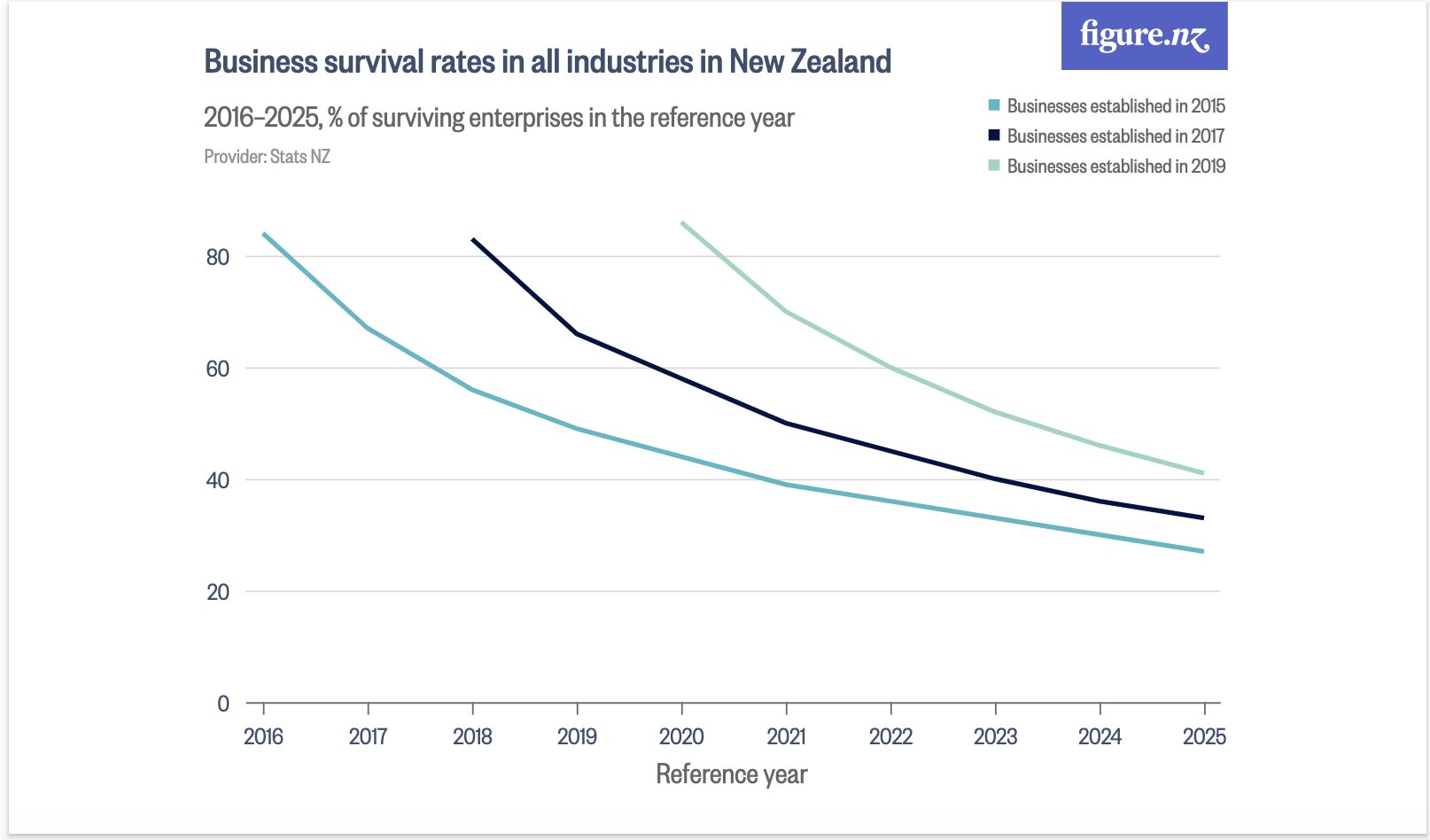
Every year, thousands of Kiwis take the leap into business ownership. Some launch the next big thing. Others join the sobering statistic: roughly half of all New Zealand businesses don’t make it past five years.
What separates the survivors from the shutdowns? It’s rarely the idea itself. Most failed businesses had decent concepts. What they lacked was proper groundwork before launch.
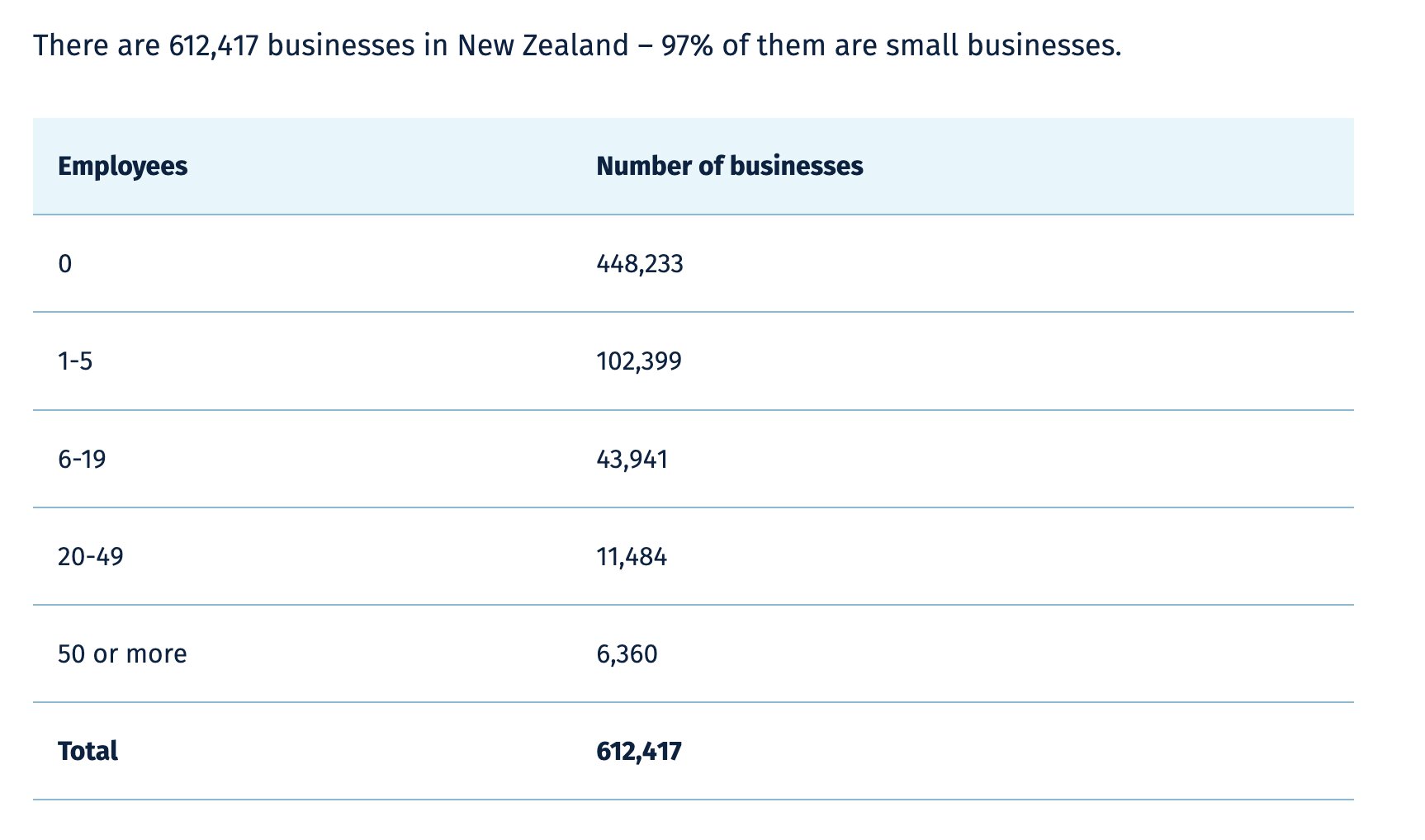
New Zealand currently has over 612,000 registered businesses, with 97% classified as minor operations under 20 employees. You’re joining a massive community of entrepreneurs who’ve walked this path before you. Some succeeded brilliantly. Others learned expensive lessons.
This guide gives you the practical steps to stack the odds in your favor. We’ll walk through validating your idea, understanding your market, choosing the right business structure, and securing funding without surrendering ownership.
Ready to do this properly from day one? Let’s build your business on solid foundations.
Guide to Starting Your Business in New Zealand:
The cost of living in New Zealand (Not Auckland) is relatively low compared to other developed countries. This means that your start-up costs will be lower as well!
There are plenty of resources available to help you get started, including the NZTE (New Zealand Trade and Enterprise) website and the Ministry of Business, Innovation and Employment website.
New Zealand also has a favourable tax environment for businesses, with some of the lowest corporate tax rates in the world. For more information on this, go to the Inland Revenue website.
That said, opening a business isn’t for the fainthearted. It’s tough, so don’t do it unless you’re 100% committed.
Steps for Setting Up Your Business in New Zealand
1. Check the Viability and Profitability of Your Business Idea
You’ve had that lightbulb moment. Maybe you’re picturing a craft brewery in Auckland, or an online store selling sustainable baby products. Before you register your company or quit your day job, you need to know if customers will actually pay for what you’re offering.
Talk to Potential Customers
Find 20 to 30 people who’d use your product or service. Ask about their current problems and spending habits. If you’re launching a mobile dog grooming service in Christchurch, chat with dog owners at parks. What frustrates them about current options? How much do they spend now?
Focus on their actual behavior, not what they say they might do. People are terrible at predicting future actions but great at describing current habits.
Test with a Minimum Viable Product
Create the simplest version of your offering:
- Meal prep service? Cook for five customers over two weeks and track reorders
- Social media management? Handle accounts for three local shops and see how much they’d be willing to pay
- Handmade jewelry? Sell at weekend markets before opening an online store
- Consulting service? Offer free strategy sessions to five businesses, then pitch paid packages
Run Small Paid Tests
Set up a basic landing page describing your service and pricing. Drive traffic through Facebook ads targeting your ideal customers in your area. Track how many people inquire or sign up.
Pre-sell before you build. Take deposits for your first batch of products or service packages. If people won’t commit money now, they probably won’t later.
What Success Looks Like for a New Product or Service Offer
You’re ready to proceed when:
- Potential customers immediately grasp the problem you’re solving
- People are currently spending money in this space
- You can deliver profitably at a price they’ll pay
- Early testers reorder or refer others
If validation reveals problems, pivot or abandon the idea. Better to learn now than after investing your savings.
2. Study Your Competitors
Your competitors aren’t just businesses to beat, they’re your best teachers. For example, if you’re planning to open a fitness studio in Hamilton, try observing how existing gyms and studios operate.
Count foot traffic during peak hours, check class schedules, and notice what equipment they prioritize. Investigating these will show you how you can do better than the existing local business.
Here’s what smart entrepreneurs investigate about their competition:
- Product offerings: What are they selling that customers love?
- Pricing strategies: Are they premium, budget, or somewhere in between?
- Marketing tactics: Where and how are they reaching customers?
- Gaps in service: What are customers complaining about in online reviews?
3. Understand the Market Demographics
Here’s where many new business owners go wrong: they think everyone is their customer. Spoiler alert, they’re not, and trying to please everyone usually means pleasing no one.
Here’s where many new business owners stumble: they think everyone is their customer. Trying to appeal to everyone usually means connecting with no one.
Define who you’re actually serving by researching:
Demographics:
- age range
- gender
- income level
- location
- education
- occupation
A skincare line for professional women in their 40s targets differently than one for university students. Be specific. Don’t just say “women aged 25-45.”
Narrow it down to “working mothers aged 30-40 earning $60,000-$90,000 in Auckland suburbs.”
Psychographics: Values, interests, lifestyle choices, attitudes. Are your customers environmentally conscious? Do they prioritize convenience over cost? Understanding why people buy matters as much as who they are.
A budget-conscious customer behaves completely differently from someone who views purchases as status symbols.
Key questions to answer:
- What specific problems keep them up at night?
- Where do they shop online versus in-store?
- How long is their decision-making process?
- What makes them hesitate before buying?
- Which social media platforms do they use daily?
- Do they read reviews before purchasing?
- Do they watch YouTube tutorials or follow influencers?
How to Gather This Information Practically
- Check Statistics New Zealand data for demographic breakdowns by region
- Browse relevant Facebook groups and Reddit threads to understand conversations and concerns
- Survey your test customers from the validation phase about their habits and preferences
- Study your competitors’ social media followers
- Read competitor online reviews to spot patterns and gaps you could fill
For example, if you’re planning that meal prep service, Stats NZ might show you Wellington has 45,000 professionals aged 25-40. Facebook groups reveal they complain about lunch options being expensive and unhealthy. Your test customers show they value convenience over elaborate meals and prefer ordering via food ordering apps. Now you know exactly how to position and market your service.

Cost to Start a Business in New Zealand
The cost of setting up a business in New Zealand will depend on many factors, including the type of business you want to set up, the size and location of your business, and whether you need to register for GST.
Generally speaking, you can expect to pay around $1,000 to set up a small business in New Zealand, including registering a company name ($10+GST), incorporation ($118.74). You can do this through the New Zealand Companies Registrar. Just make sure your business name doesn’t infringe on anyone else’s trademark or existing business name.
Understanding GST Registration: When It Helps (And When It Hurts)
Once you’re earning $60,000 annually, GST registration becomes mandatory. But here’s the insider tip: you can register voluntarily from day one, and for some businesses, this makes perfect financial sense.
When early GST registration pays off:
- High setup costs: Starting a food truck? You’ll spend big on the truck, cooking equipment, and packaging before your first sale
- Equipment-heavy businesses: Photography studios, construction companies, or manufacturing operations
- B2B services: Your business customers can claim GST back anyway
Take that food truck example. If your setup costs hit $57,500 (including GST), you can claim back $7,500 in GST returns. That’s real money back in your pocket when you need it most.
When to skip early registration:
- Service-based businesses: Babysitting, tutoring, graphic design with minimal expenses
- Unlikely to hit $60,000: Your pricing becomes less competitive when you add 15% GST
Getting a New Zealand Business Number (NZBN)
Think of your New Zealand Business Number (NZBN) as your business’s digital passport. Every Kiwi business, from solo contractors to major corporations, gets this globally unique identifier that makes doing business infinitely smoother.
Why you need an NZBN:
- One-stop information hub: Links to your core business details (trading name, contact info, address)
- Eliminates repetition: No more filling out the same details for every supplier or government agency
- Automatic updates: Change your details once, and connected systems update automatically
- Government efficiency: Agencies use NZBNs to quickly identify and interact with businesses
Who’s eligible?
- Sole traders currently operating in New Zealand
- Partnerships and trusts
- Non-profit organizations
- Even free-of-charge businesses qualify
If you’re already registered with the Companies Office, congratulations, you automatically get an NZBN. Just search the NZBN Register to find it.
Here’s the game-changer: government agencies increasingly connect their systems to the NZBN Register. Keep your information current, and you’ll save hours of paperwork across multiple agencies. It’s like having a personal assistant handling your business admin.
Other Expenses to Consider if You Want to Start a Business
Beyond registration fees and initial setup, several ongoing costs will affect your budget. Plan for these early to avoid cash flow surprises.
Premises Costs
Commercial space represents a major expense, but here’s the question: do you actually need it right away? Many successful New Zealand businesses start from home or use coworking spaces before committing to leases.
If you’re leasing or renting commercial premises, budget for:
- Monthly rent and bond (typically four weeks’ rent)
- Utilities including power, internet, and water
- Business insurance
- Signage and shop fitting
- Renovation or fit-out costs
Smart tip: negotiate with suppliers to contribute toward signage or fit-out expenses, especially if you’ll be stocking their products. Protect your cash flow fiercely. Fixed overheads sink more startups than almost anything else.
Marketing and Online Presence
Your business needs visibility. Digital marketing typically includes:
- Domain name registration and hosting
- Website design and development ($5,000-$10,000 for professional sites)
- Online advertising budget (around $1,000 monthly to start)
- Marketing agency fees if outsourcing ($2,000 monthly)
- Social media advertising
- Print materials and physical signage
Start small with marketing. Test what works before scaling up spending.
General Operating Costs
Day-to-day expenses add up quickly:
- Accounting software like Xero or MYOB (approximately $70 monthly)
- Professional indemnity or public liability insurance
- Council permits and licenses specific to your industry
- Office supplies and equipment
- Phone and internet services
- Bank fees and merchant services for processing payments
Create a spreadsheet tracking all these costs. Overestimate expenses by 20 percent as a buffer. Running out of cash because you underestimated monthly costs is entirely preventable with proper planning.
Following Business Regulations: Licenses, Permits, and Insurance
Don’t let paperwork kill your business dreams before you even start. New Zealand has specific licensing requirements that vary dramatically depending on what you’re doing.
Essential licenses you might need:
- Food businesses: Food safety certificate (think cafés, food trucks, catering)
- Alcohol sales: Liquor license for bars, restaurants, or bottle shops. You’ll also need to attend one of the Responsible Service of Alcohol (RSA) workshops across New Zealand.
- Construction: The exact requirements vary depending on where your business operates, but in general, you’ll need a building license, heavy machinery license, high-risk work license, etc.
Insurance isn’t optional either. Liability insurance protects your business when things go wrong. A customer slips in your store? Your graphic design work causes a client’s marketing campaign to fail? Without proper coverage, you’re personally on the hook, unless you registered as a limited liability company. Consult an insurance broker to find the best business insurance for you.
Where to Find Help with Starting a Business in NZ
Get your accountant involved early. The best accountants are those who push the boundaries, but never cross them. Evaluate your accountant on their risk-factor. If they run a larger firm, you’ll find safety in compliance.
Your accountant can help you choose between business structures available. It is important to choose one that will work best for you. A company has completely different obligations, rules and loopholes in comparison to a partnership, or sole trader. Choose wisely.
Once you have chosen a business structure, you need to register your business with the Companies Office. You can do this online or through a paper application.
After registration, you need to apply for a business licence from the New Zealand Government. This licence allows you to operate your business and ensures that you comply with all the relevant laws and regulations. You can start operating your business once you have a business licence.
If this all seems too hard to D.I.Y, then leave it to your accountant.
Start-up companies often use consultants or mentors to help them. Banks may also offer specialised support for new businesses, so it is worth talking to your bank about what services they can offer you.
Types of Business Structures Available in New Zealand
There are four main types of business structures available in New Zealand: sole traders, partnerships, companies, and trusts. Each has its own advantages and disadvantages, so it’s important to choose the right one for your business.
If you’re not sure which is the right business structure, don’t worry. You can always start out as a sole trader and then change your business structure later on once you’re ready to scale.
Sole Traders
Sole traders are the simplest and most common type of business structure in New Zealand. They’re easy to set up, and you have complete control over your business. However, you’re also personally liable for all debts and losses incurred by your business.
Sole traders can begin their business without the need to register anything more than an IRD number.
However, If you’re employing staff, you’ll need to register as an employer. You may also need to register for GST.
Partnerships
Partnerships are similar to sole traders, but involve two or more people. You’ll need to have a partnership agreement in place that sets out each partner’s rights and responsibilities. Like sole traders, partners are personally liable for all debts and losses incurred by the business.
Partners declare profits earned via their personal income tax linked to their individual IRDs. The partnership needs to file a Partnership income tax return (IR7) to allocate the profits or losses to each person.
As with sole traders, they may also need to register as employers and for GST.
Companies
Companies are separate legal entities from their owners (shareholders). This means that shareholders aren’t personally liable for the company’s debts and losses, only the company itself is responsible. Companies can be either registered or unregistered. Unregistered companies are less common and have fewer protections under the law.
This entity type requires the most amount of work. To incorporate your company, you need to:
- Get an Internal revenue department (IRD) number
- Register the company address
As an employer:
- The appointment of a director
- Company shareholders
- File director and shareholder consent forms
- Issue company shares
- Incorporate a constitution (not mandatory)
Trusts
A trust creates a legal entity separate from you personally. Trustees control the business assets and decide how profits flow to designated people or groups named in the founding document.
Why Business Owners Choose Trusts
Several key advantages make trusts attractive:
- Strategic Profit Distribution: Earnings can flow to different people depending on their tax situations. This flexibility lets you minimize the total tax bill across your family or group.
- Keeping Finances Confidential: Company records go on public registers. Trust finances stay private, giving you control over who sees your business numbers.
- Smoother Generational Handovers: Want your kids or chosen successors to take over eventually? The trust framework makes transitions easier without disrupting operations or triggering tax complications.
- Stable Operations During Changes: Individual trustees can come and go, but the trust itself keeps running. This stability helps during leadership transitions.
Creating Your Business Trust
Getting a trust established involves several steps:
- Work with a solicitor to create the founding document specifying who benefits, who controls things, and how money gets distributed
- Select the people or entities who’ll act as trustees (companies serving as trustees shield individuals from personal liability)
- Put an initial amount into the trust to activate it
- Get a tax number from IRD for the trust
- Obtain an NZBN showing the trust as the business operator
- Set up banking under the trust’s name
- Complete specialized forms if your trust involves overseas parties or charitable purposes
What You Need to Know
That founding document controls everything, so don’t skimp on legal help when creating it.
People serving as trustees take on serious legal duties. They need to make sound decisions, treat all beneficiaries fairly, and never put their own interests ahead of the trust’s. Breaking these obligations can lead to personal liability.
Expect legal costs between $2,000 and $5,000 to establish the trust properly. Compare these upfront expenses against the long-term protection and tax advantages for your circumstances.
The Benefits of Entrepreneurship in New Zealand
New Zealand is a great place to start a business. The cost of living is relatively low, and there are plenty of resources available to help you get started. There are also tax benefits and incentives available to new entrepreneurs.
Tax benefits and Incentives
There are tax benefits and incentives available to businesses in New Zealand. This includes the research & development tax credit, which can refund up to 15% of eligible R&D expenditure back to businesses. There are also grants and subsidies available for businesses undertaking certain activities or operating in certain sectors.
Stable Political Environment
New Zealand has a stable political environment, which provides certainty for businesses planning for the long term. The country has a well-developed legal system, which provides an ideal platform for doing business.
Taxation and Compliance Considerations
People are usually surprised that there is no capital gains tax in New Zealand. This means that any profits you make from selling your business will be completely tax-free. However, there are still other taxes that you need to be aware of when running your business.
Income tax is the main tax that you will need to pay as a business owner. The good news is that the corporate tax rate in New Zealand is only 30%, which is relatively low compared to other countries. You will also need to pay GST (Goods and Services Tax) on any products or services that you sell. The current GST rate is 15%.
If you are planning on hiring staff, then you will also need to pay PAYE (Pay As You Earn), which is a deduction from your employees’ wages for income tax. The current PAYE rate starts at 12.17%.
Government Support for Startups and Small Businesses
One of the most important things for any startup is access to funding. The government has schemes in place to help startups access business finance, including loans, grants, and equity investment.
Development Grants
If you’re lucky enough to be in an industry that attracts development grants from the NZ Government, you may minimise your reliance on the aforementioned business funding options.
Partner institutions like Callaghan Innovation provide funding or financial assistance to qualified businesses. Even if you don’t qualify for grants, you can still receive mentorship and training.
Check with the NZ Government, to see what’s out there for new small businesses and established businesses.
Angel Investment
Angel investment funds come from high net-worth or wealthy individuals who typically invest in start-up and early-stage businesses, usually in exchange for a share of the business.
Angel investors are often experienced entrepreneurs and can bring knowledge and contacts, as well as capital. This investment usually requires giving up a share of the business in return for capital. Angel investors are often part of a network, for example, the Angel Association New Zealand or Ice Angels.
The government also offers a range of tax incentives for businesses, including research and development tax credits, accelerated depreciation, and capital gains tax exemptions. These can save your business a significant amount of money and make it more competitive.
There are also free or low-cost business support services available from the government, including advice on starting your business, mentoring, and networking opportunities. These can be extremely valuable when you’re first getting started.
So if you’re considering starting a business in New Zealand, be sure to take advantage of all the support that’s available from the government. With the right help and advice, you can give your startup the best chance of success.
Financing Options Available to Start a New Business
Let’s be honest, great ideas don’t pay the bills. You need actual cash to make your business into reality. Starting a business NZ-wide can be costly depending on your business operations and products and services. Good thing New Zealand offers more funding options than most entrepreneurs realize.
Development Grants through Government Agencies and Non Profits
A business may apply for the government’s Small Business Finance Scheme, which offers loans of up to $100,000 for new businesses. But this is no easy feat to get awarded, and often the red-tape associated with jumping through a series of hoops outweighs the benefit.
Development grants through organizations like Callaghan Innovation can provide:
- Direct funding: Cash injections for qualifying industries and projects depending on your business type
- Mentorship programs: Access to experienced business advisors
- Training opportunities across New Zealand on topics like getting started in business, marketing, health and safety topics, etc.
- Networking events: Find a business community that you can learn from and support your goals
A great resource to keep on top of all things New Zealand business is the New Zealand Companies Office and business.govt.nz. Both websites are a good starting point in running a business, and they also have free seminars and workshops across New Zealand on a variety of business topics.
Even if you don’t qualify for grants, don’t skip this step. The mentorship and training alone can save you from costly mistakes in managing your business.
The perks don’t stop at grants. New Zealand offers tax incentives that can significantly boost your bottom line:
- Accelerated depreciation: Write off equipment costs faster
Capital gains exemptions: Keep more of your profits when you sell
There are also private lenders, like Quickloans that offer business loans and banks offering lines of credit specifically for small businesses.
Running a Product or Service Based Business Doesn’t Have to be Hard
Knowing what to do and having the resources to do it are different things. Maybe your validation tests proved your concept works brilliantly. Your market research shows genuine demand. The numbers stack up. There’s just one problem: you need capital to actually launch.
Some business owners seek investors or partners, which means giving up partial ownership. Others bootstrap entirely, growing slowly as cash allows.
A business loan offers another path. You get the capital you need now while keeping full ownership and control. No sharing of profits. You borrow what you need for inventory, equipment, marketing, or operational costs, and have complete ownership as you grow.
Whether you need funds to launch or scale, our business loans are made for New Zealand startups. Get in touch today to discuss funding your business without giving up shares.

by Ash Horton
13/02/2023
Ash is a professional content writer with extensive experience in business development in the financial services. Ash has founded businesses from the age of 19, including franchising ventures, and working alongside some of the largest retailers in the world.