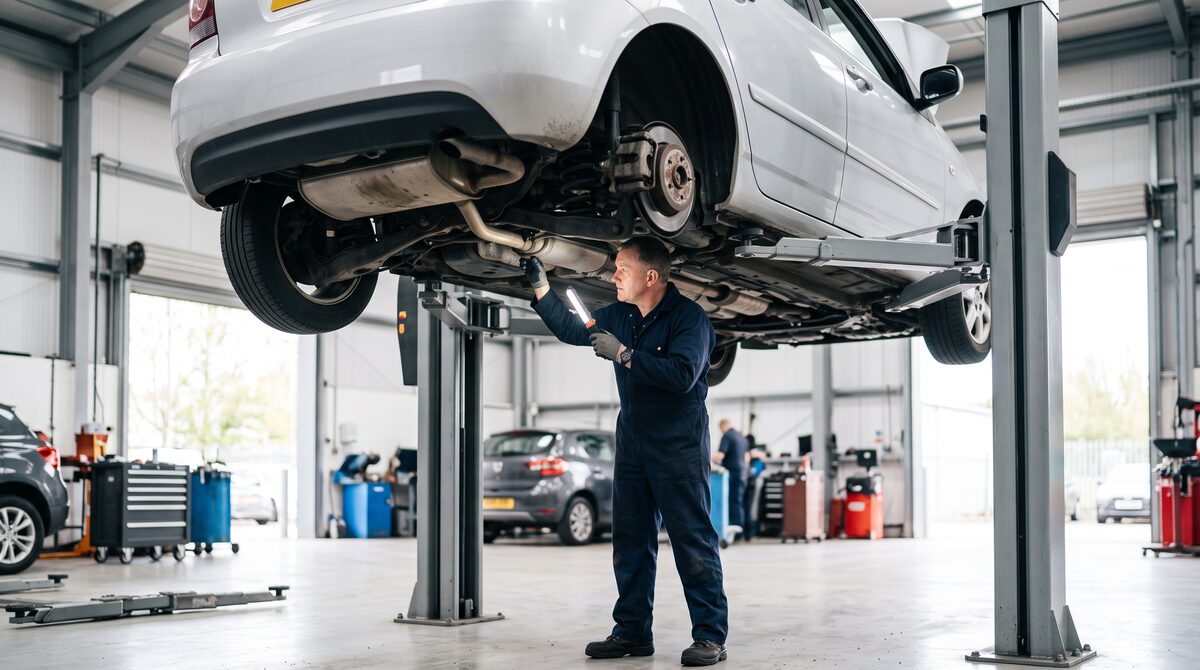
Car pre-purchase inspection NZ, the one hour that saves you from buying a lemon
Table of Contents
A pre-purchase car inspection is an independent mechanical and safety check of a used car, done before you hand over any money. A qualified mechanic goes over the engine, brakes, suspension, body and electronics, then gives you a detailed inspection report on the true condition of the vehicle, so you can make an informed decision instead of a hopeful one. In NZ it typically costs between about $130 and $230, takes around an hour, and it’s the single best insurance you can buy against a lemon. Here’s what pre purchase car inspections cover, who does them, and exactly what to do with the results.
What is a pre-purchase inspection?
When you buy a used car in NZ, the seller knows everything about it and you know what they’ve chosen to tell you. A pre-purchase vehicle inspection closes that gap. It’s a thorough check by a qualified mechanic who works for you, not the seller, and its whole job is to answer one question honestly. Is this the right car at the right price?
That’s a different question from “is it legal to drive”, which is all a WOF answers (more on that below). A proper check looks at the car the way smart car buyers should, wear, hidden damage, looming repair bills, and whether the asking price stacks up against the car’s real mechanical condition. You walk away with a written report you can read, question, and negotiate with.
If you only take one thing from this guide, take this. The couple of hundred dollars it costs to get the car checked is the cheapest part of buying a second hand car, and it’s the part most likely to save you thousands. Do it before you buy a car, every time, and especially with private car purchases.
What does a pre purchase inspection cover?
A full pre purchase inspection works through four areas of the vehicle, whether it runs on petrol or diesel or a battery, and a good inspector will happily talk you through all of them.
Mechanical. Engine condition, transmission, brakes, suspension, steering, exhaust, and any fluid leaks. This is where the expensive surprises live, a worn clutch, a tired gearbox, or a motor that’s been run hard and serviced rarely.
Structural. The chassis and body. Rust in the sills or floor pan, signs of past crash repair, mismatched paint, or panels that don’t quite line up. Structural issues are the classic walk-away finds, because they’re expensive, safety-critical, and often deliberately hidden.
Electrical and electronic. Lights, dash warning systems, windows, central locking, and the growing pile of sensors modern cars rely on. NZ’s used fleet is full of imported hybrid vehicles, and for these and full EVs, a good inspector also tests high voltage battery health, the single most expensive component in the car.
Diagnostic scan. A plug-in OBD scan that reads fault codes from the car’s computer. A scan can surface issues with the car that haven’t shown symptoms yet, and just as usefully, it can catch codes that were recently cleared to tidy the car up for sale.
Most inspectors will also take the car for a short test drive, listening for noises and checking how the used vehicle behaves on the road, something photos and a driveway walk-around can never tell you.
Warrant of Fitness vs pre-purchase inspection
This is the most common mix-up in NZ car buying, so let’s make it plain.
A Warrant of Fitness is the minimum legal safety check for a car to be on the road, done at a point in time. It confirms things like brakes, lights and seatbelts meet the legal floor on the day, per the Waka Kotahi NZ Transport Agency requirements. It says nothing about how worn the engine is, whether the transmission is on its way out, or whether the car was ever crashed and patched up.
A pre-purchase inspection is voluntary, far more thorough, and commissioned by you. A WOF asks “is this car legal”. A pre-purchase assessment asks “is this car a good buy”.
A car with a fresh WOF can still be a terrible purchase. “New WOF” in a listing is a starting point, not a guarantee, so treat it as the ad copy it is and book your own car inspection anyway.
How much does a pre-purchase inspection cost in NZ?
For a standard pre purchase car inspection NZ wide, expect to pay roughly $130 to $230 depending on the provider, the region, and how deep the check goes. At the time of writing, here’s how the main vehicle inspection services compare.
| Provider | Indicative price | Worth knowing |
|---|---|---|
| AA Pre-Purchase Inspection | $199 members, $229 non-members | The standardised AA inspection report, EV battery health test available for around $80 to $90 extra |
| My Auto Shop | From $129 | Mobile, comes to the car, optional add-ons $50 to $100 |
| VTNZ pre-purchase assessment | Around $199 | Done at a VTNZ station alongside WOF and rego services |
| MTA-affiliated or independent workshop | Roughly $130 to $280 | Most flexible, hoist access, brand specialists available |
Prices move, so check the provider’s own site when you’re arranging the inspection, but the band has been stable, somewhere between one and two tanks of petrol.
Weigh that against what it protects. The average used-car purchase is thousands of dollars, and a single hidden fault, a failing transmission, hidden rust, a hybrid battery near end of life, can cost more than ten times that fee. If the cost genuinely stretches the budget, that’s usually a sign the overall car budget is tight, and it’s worth a look at our free budget planner before going further, with the fee written in as a line item.
Booking a pre-purchase inspection
You’ve got four good options for getting the car looked at.
- AA Pre-Purchase Inspections. The best-known name in the automotive space, with a standardised, detailed report. You can book at an AA centre or arrange a mobile check in most areas.
- VTNZ. Runs a pre-purchase assessment alongside its WOF and rego services, done at a VTNZ station.
- MTA-affiliated workshops and independent mechanics. Any qualified mechanic can inspect the car for you, and a trusted local workshop is often the most flexible option. If the car is a make with known quirks, a specialist in that brand is gold.
- Mobile services. Inspectors who come to the car, wherever it’s parked. Ideal for private sales where the seller won’t release the car, and for checking a car in another city before you travel to it.
Booking is usually straightforward with AA and VTNZ alike, most providers can fit you in within a day or two, and the typical inspection time is around an hour, so you can book with confidence even when a good car is moving fast.
Vehicle inspections in Auckland, Wellington and Christchurch
All the main providers cover the big centres, and coverage is genuinely nationwide. AA centres and VTNZ stations run pre-purchase checks in Auckland, Wellington, Christchurch, Tauranga and Hamilton, mobile inspections are available across most regions, and in smaller towns a local MTA workshop or independent mechanic fills the gap. Buying a car in another city, say a Christchurch buyer eyeing a tidy import in Auckland, is exactly when a mobile inspector earns their fee, they check the vehicle so you don’t book flights for a lemon.
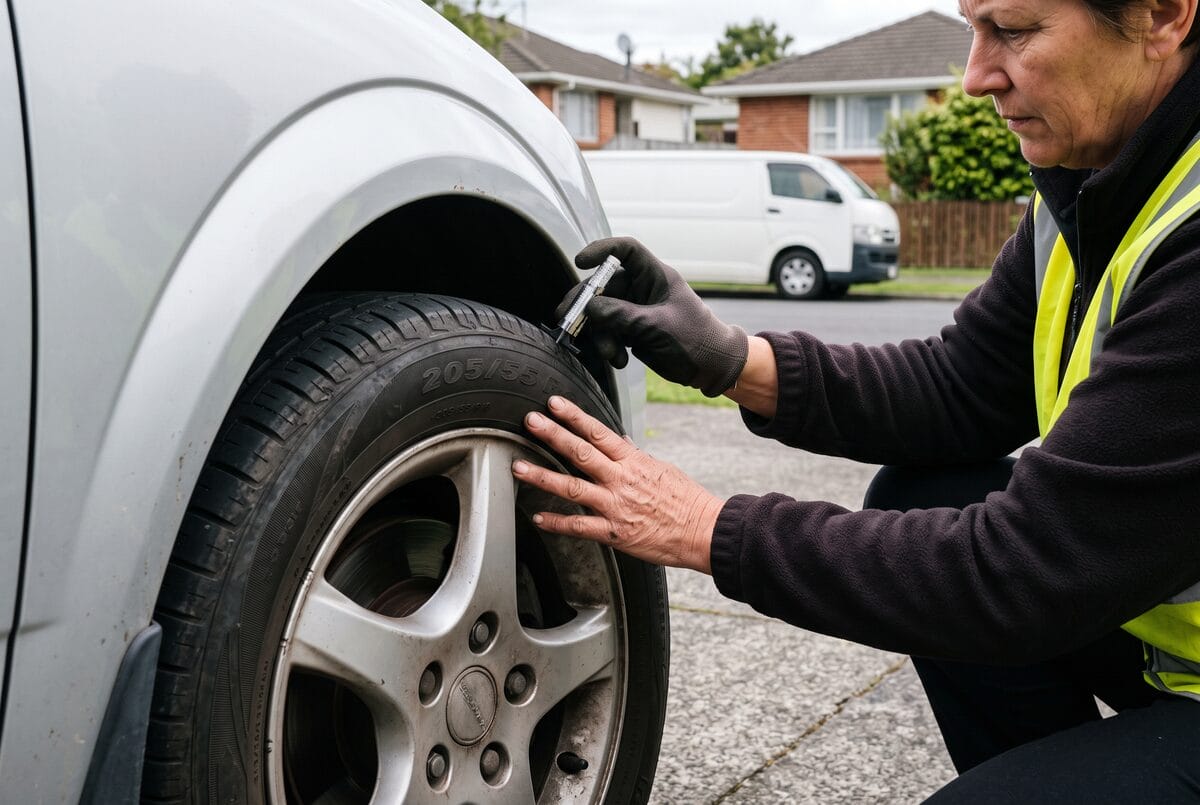
Mobile inspection or workshop?
Both are worth having, and the honest answer is that the best choice depends on the car and the seller.
A mobile inspection wins on convenience. The inspector comes to the seller’s driveway or workplace, which suits buying from a private seller who understandably won’t hand their car to a stranger for the afternoon. The limitation is equipment. Without a hoist, the underside check happens on the ground, which is workable but not as thorough.
A workshop inspection puts the car on a hoist, and that’s the only way to properly see the underside, the exhaust, the suspension mounts, and the rust-prone seams. If the seller is willing to bring the car in, or lets you take it, the workshop check is the more complete of the two.
A fair rule of thumb. Mobile checks are available almost everywhere and are far better than nothing at all. If you’re already half-suspicious about rust or crash damage, push for the hoist.
Can I check a used car myself first?
Absolutely, and you should. Fifteen minutes of your own checking is a free filter that stops you paying a mechanic to confirm a car is obviously wrong. Before booking anything, check the vehicle over yourself:
- Panel gaps and paint. Uneven gaps or slightly different paint shades between panels hint at crash repair.
- Tyres. Uneven tyre wear can point at alignment or suspension issues, and four tyres near the cords is a few hundred dollars of your negotiation right there.
- Rust. Sills, wheel arches, around the windscreen, under the carpet edges in the boot.
- Service history. A stamped service book or invoice folder is a good sign. A car with “always serviced, mate” and no paperwork is telling you something.
- The test drive. Cold start it yourself, listen for rattles and whines, feel for pulling under braking, and try every button.
- Rego and WOF status. Both are free to check online with the plate number.
Then know where the line is. Compression testing, reading a diagnostic scan properly, judging whether a noise is a heat shield or a big-end bearing, that’s the professional’s territory. Your own checks are the first filter. The professional’s report is the real answer, and it’s how you avoid buying a lemon that looked fine on the driveway.
The paperwork checks that matter as much as the mechanics
Here’s the part most guides to buying a used car skim, and it’s the part that can genuinely cost you the car.
PPSR, the money-owing check. The Personal Property Securities Register (ppsr.companiesoffice.govt.nz) records whether someone, usually a finance company, has a security interest over the car. Buy the car with money still owing on it, and the lender can repossess it from you, even though you paid the seller in good faith. The check costs a couple of dollars online and takes minutes. It is completely separate from the mechanical check, and you need both. (For what it’s worth, when you finance a car through Quick Loans, we run a PPSR check as part of the process anyway, it’s that important.)
Odometer and history. NZ’s used fleet is full of Japanese imports, which is mostly fine, but it makes history checks matter. A report from a service like CarJam pulls together the odometer readings over time, import history, reported damage, and the number of previous owners. A speedo that reads lower than an old WOF record is the classic red flag.
Ten minutes and a few dollars of paperwork checks, on top of the mechanical once-over, and you’ve covered the two ways used-car purchases really go wrong, mechanically and legally.
Buying privately vs from a car dealer
Your legal safety net changes completely depending on who you’re buying a used car from in NZ, and it changes how much the check matters.
Buying from a dealership, the Consumer Guarantees Act applies. The car has to be of acceptable quality and fit for purpose, and if a serious fault shows up, you have real remedies, repair, replacement, or a refund in defined situations, per Consumer Protection NZ.
Buying privately, on Trade Me Motors, Facebook Marketplace, or a driveway, the CGA generally does not apply. It’s buyer beware. If the gearbox lets go a week after you hand over the cash, that’s your problem, not the seller’s.
Which is exactly why a pre-purchase inspection is most important on private sales. It’s not that private sellers are dishonest, most aren’t. It’s that with no statutory protection behind you, the report is your only real safety net, and your only leverage. One more thing worth knowing, your rights as a car buyer under the CGA are separate from your rights as a borrower on any loan you take out, we’ve covered the borrower side in our guide to your rights as a borrower in New Zealand.
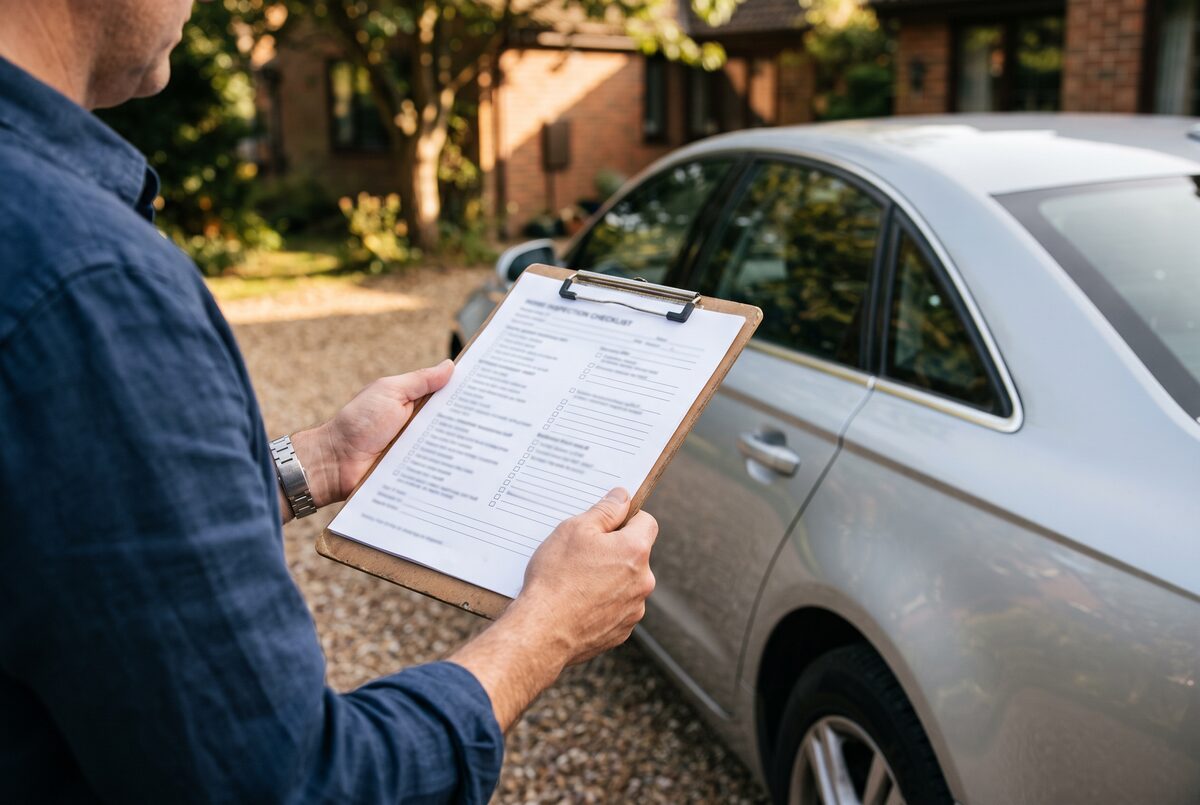
What if the inspection finds problems?
First, a reframe. A report that finds issues has not failed you, it has done its job. What you do next depends on what it found, and this is where the report earns its money.
Walk away when the report shows structural or frame damage, serious rust, major engine or transmission faults, flood damage, or anything odd about the car’s identity or ownership. These are not negotiating chips, they’re money pits with a steering wheel. There will always be another car.
Negotiate when the issues are real but bounded. Worn tyres, brake pads near the end, overdue servicing, cosmetic damage. Get a rough repair quote, then take it to the seller. “The report says it needs $900 of work, I’ll go ahead at $900 less” is a completely fair conversation, and sellers of honest cars usually engage with it.
Ask the seller to fix it first when they’d rather sort the fault than drop the price, just make sure the fix is done properly, with an invoice, before you settle.
Accept it with eyes open when the issues are minor and cosmetic and the price already reflects them.
A bad report has just saved you from the worst-case purchase, and a marked-up one has probably paid for itself several times over in negotiation.
The car passed. What now?
Nice work, you’ve done this properly. The car checks out, the PPSR is clear, the history is clean. From here it’s simple.
Agree the final price with the seller, using anything in the report that’s worth a fair adjustment. Then sort the money. If you’re financing the car, this is where we can help, Quick Loans has been doing vehicle finance for Kiwis for years, with a quick online application and approval typically within the hour, so the right car doesn’t slip away while the paperwork catches up. You can see how a Quick Loans car loan works, explore your vehicle finance options, or estimate your repayments with our repayments calculator before you commit to anything.
And that’s the whole play. Check the car, check the paper, then buy with confidence and real peace of mind, knowing exactly what you’re driving home.
Pre-purchase inspection FAQs
How long does a pre-purchase inspection take?
About an hour for a standard check, plus any test drive. Mobile checks run to a similar time. You’ll usually get the written report the same day, often on the spot.
How do I book a pre-purchase inspection?
Book directly with the provider, online with AA and VTNZ, or by phoning a local MTA-affiliated workshop or mobile vehicle inspection service. Have the car’s plate number and the seller’s location ready, and most providers can fit you in within a day or two.
Should I test drive the car first?
Yes. A test drive is your own free first filter, if the car pulls, rattles, or smokes on a cold start, you’ve saved yourself the fee. If the drive feels right, book the professional to check what a drive can’t show, the underside, the diagnostics, and the true mechanical condition.
Can I get a pre-purchase inspection for a private sale?
Yes, and private sales are exactly where it matters most, because the Consumer Guarantees Act generally doesn’t protect private purchases. Mobile services exist largely for this situation, the inspector comes to the seller’s location.
Can a private seller refuse an inspection?
They can, and it tells you a lot. A seller with nothing to hide has nothing to lose from a check you’re paying for. Treat a flat refusal as a serious red flag and be prepared to walk away.
Do EVs and hybrids need a different check to petrol and diesel cars?
The core checks are the same, but ask specifically for a high voltage battery health test. Battery condition is the biggest single value factor in electric and hybrid vehicles, and several NZ providers now test and report battery state of health.
Do I still need a PPSR check if the car passes inspection?
Yes. The mechanical check and the PPSR money-owing check answer two different questions, and a car can pass one and fail the other. Do both, the PPSR check takes minutes at ppsr.companiesoffice.govt.nz.
Should I still buy a car that failed its inspection?
Sometimes. Minor, bounded issues like tyres, brakes or servicing are negotiation points, not dealbreakers. Structural damage, major mechanical faults, or ownership question marks are walk-away territory, no matter how good the price looks.

by Ash Horton
27/08/2026
Ash is a professional content writer with extensive experience in business development in the financial services. Ash has founded businesses from the age of 19, including franchising ventures, and working alongside some of the largest retailers in the world.